Taking proper care of your turf is essential for maintaining a healthy, resilient lawn that looks good year-round. While appearance is often the primary motivator, good turf care also supports soil stability, air quality and overall environmental health.
With the right grass selection, soil preparation and ongoing maintenance, your lawn can thrive in changing conditions. Understanding how each element of turf care works together allows you to make informed decisions and avoid common mistakes. Whether you are establishing new turf or refining an existing lawn care routine, the following guidance outlines practical strategies to support long-term turf health.
Choosing the Right Grass Type
Climate Considerations
Selecting a grass type that suits your local climate is one of the most important decisions in
turf care. Warm-season grasses perform best in regions with extended hot summers, while cool-season grasses are better suited to areas with colder winters.
Some regions experience a mix of conditions throughout the year, making blended grass varieties a practical option. Choosing a climate-appropriate grass reduces stress, improves resilience and lowers ongoing maintenance demands.
Soil Type & pH Levels
Soil composition and pH play a critical role in turf performance. Most grasses prefer soil with a pH between 6.0 and 7.5, where nutrients are readily available and root development is supported.
Clay soils tend to retain moisture but can restrict drainage, while sandy soils drain quickly and may struggle to hold nutrients. Loamy soils offer the best balance of moisture retention and aeration, making them ideal for turf growth.
Testing and adjusting soil conditions before planting helps ensure your turf establishes strong roots and maintains consistent growth.
Sunlight & Shade Requirements
Sunlight availability directly affects turf health, as grass relies on light for photosynthesis. Different grass varieties have varying tolerance levels for shade and full sun exposure.
Areas beneath trees or structures may require shade-tolerant varieties, while open spaces benefit from grasses designed for full sunlight.
- Observe sunlight patterns across your lawn throughout the day
- Account for seasonal changes in shade from trees or buildings
- Select turf varieties matched to the least sunny areas
Traffic & Wear Tolerance
Foot traffic is another important consideration when selecting turf. Lawns used frequently for recreation or gatherings require grasses that recover quickly and resist wear. Lower-traffic lawns may prioritise appearance over durability, while high-use areas benefit from resilient varieties that maintain density under pressure.
Maintenance Requirements
Different grass types demand varying levels of care. Some require frequent mowing, watering and fertilising, while others are naturally lower maintenance once established. Choosing a grass that aligns with your available time and resources helps ensure consistent care and reduces the likelihood of neglect-related issues.
Soil Preparation & Testing
Why Soil Testing Matters
Soil testing provides valuable insight into nutrient levels, pH balance and potential deficiencies. This information allows you to apply amendments accurately rather than relying on guesswork.
Testing is especially important before laying new turf, as it establishes a strong foundation for healthy growth and reduces the risk of future problems.
Amending Soil for Turf Health
Once testing identifies soil needs, amendments can be applied to improve structure and nutrient availability. Organic matter such as compost supports microbial activity and improves long-term soil health. Adjusting pH levels through lime or sulphur helps ensure nutrients remain accessible to turf roots.
- Compost or organic matter to improve soil structure
- Lime or sulphur to correct pH imbalances
- Targeted fertilisers based on soil test results
Proper Grading & Drainage
Good drainage prevents water pooling and reduces the risk of turf diseases. Proper grading encourages water to move evenly across the lawn and away from structures. Addressing drainage issues early improves turf usability and helps protect surrounding areas from water damage.
Preparing Soil for Seed or Sod
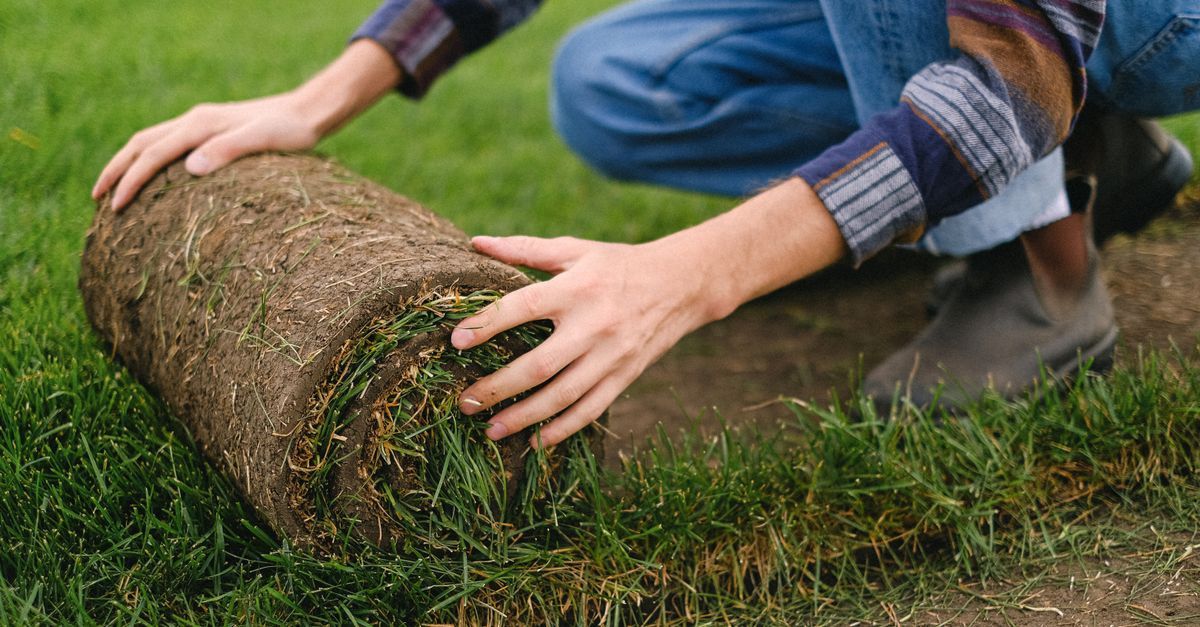
Before seeding or installing sod, the soil should be cleared of debris, levelled and amended as needed. Aeration improves root penetration, while proper surface preparation ensures good seed-to-soil or sod contact. Well-prepared soil promotes even growth, stronger roots and greater resistance to stress.
Effective Turf Watering Techniques
Understanding Water Requirements
Water needs vary depending on grass type, soil conditions and weather. Insufficient watering can stress turf, while excessive watering encourages shallow roots and disease.
According to the University of Queensland, the best time to water a lawn is between 4:00 am and 8:00 pm, when water pressure is highest, disruption of the water pattern from wind is low and water lost to the atmosphere by evaporation is negligible. Monitoring soil moisture and turf appearance helps determine when watering is necessary.
Best Times to Water
Early morning watering allows moisture to penetrate the soil before evaporation increases. This timing supports deep root growth and reduces the risk of fungal disease. Adjust watering schedules seasonally to reflect changes in temperature and rainfall.
Irrigation Methods
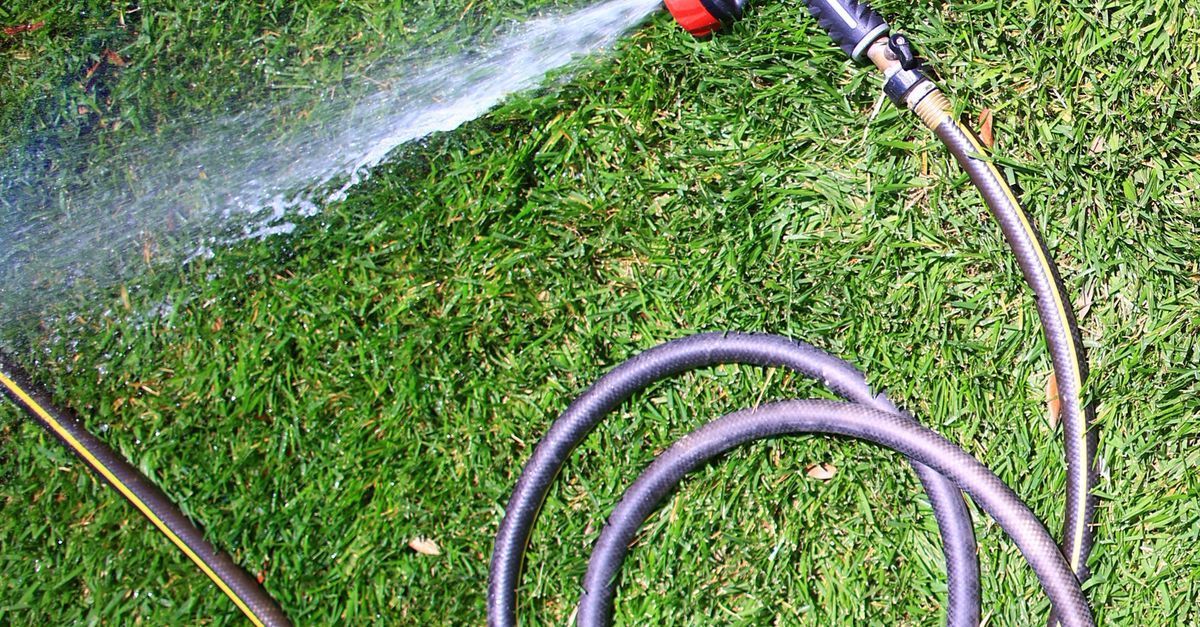
Different irrigation systems offer varying levels of efficiency. Sprinklers provide broad coverage, while drip systems and soaker hoses deliver water directly to the root zone. Automated systems with moisture sensors can further improve efficiency.
Common Watering Mistakes
- Overwatering, which weakens roots and encourages disease
- Watering on a fixed schedule rather than based on need
- Allowing water to pool or run off
Mowing Best Practices
Setting the Right Mower Height
Maintaining proper mowing height is essential for turf health. Cutting grass too short reduces its ability to photosynthesise and weakens the root system. Most turf performs best when maintained between 2.5 and 4 inches, depending on grass type.
Mowing Frequency
Mowing frequency should follow the one-third rule, removing no more than one-third of the grass blade at a time. During peak growing seasons, mowing may be required more often.
Mower Maintenance
Sharp mower blades produce clean cuts that heal quickly. Dull blades tear grass and increase stress. Regular blade sharpening and general mower maintenance help protect turf health and maintain a neat appearance.
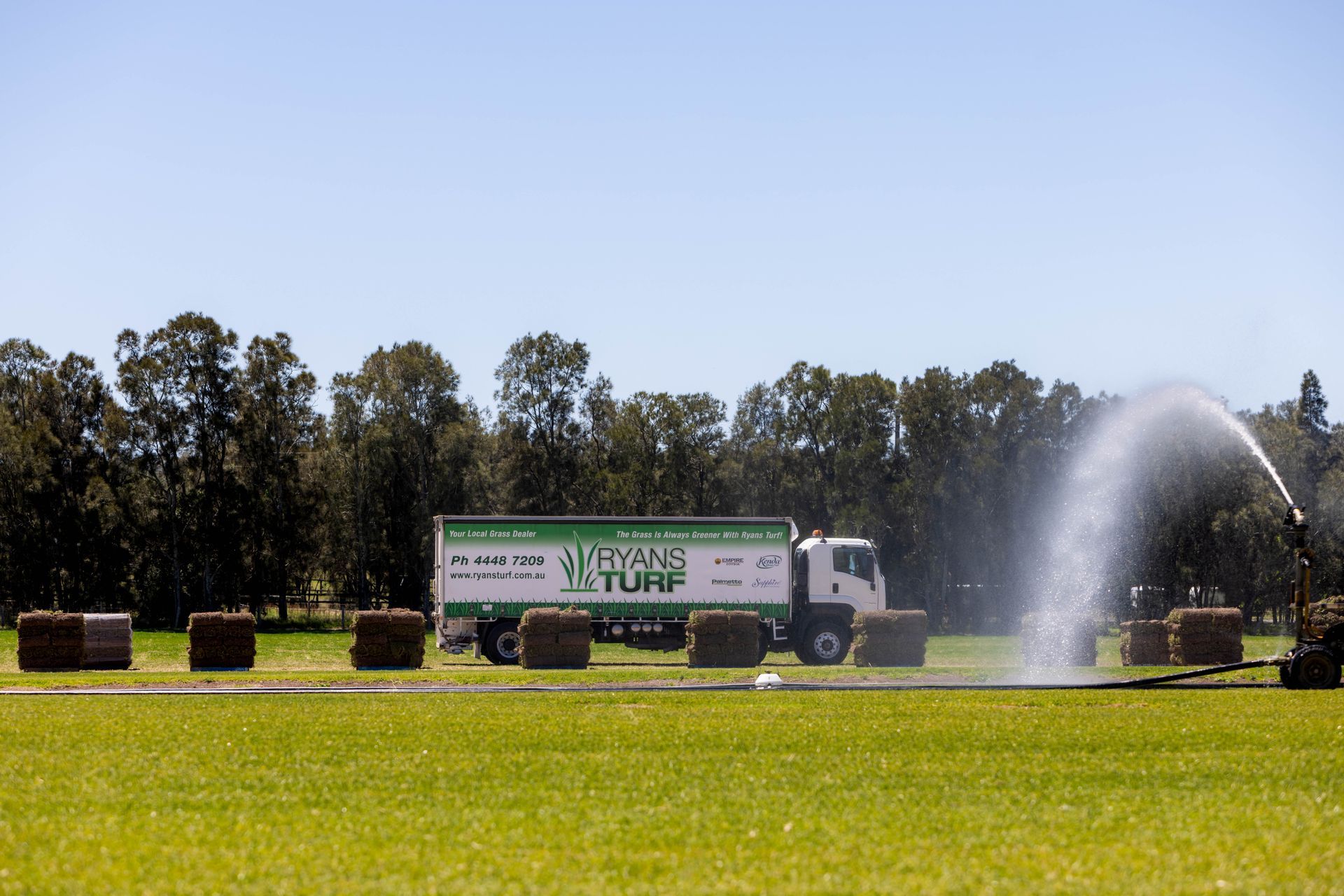
Consistent turf care comes down to understanding your lawn’s specific needs and responding with the right practices throughout the year. By choosing suitable grass, preparing healthy soil, watering efficiently and mowing correctly, you create the conditions for strong growth and long-term resilience. With regular attention from professionals like Ryans Turf and small adjustments as conditions change, your turf can remain healthy in every season.