Artificial Grass vs Real Turf: Which Suits Your South Coast Yard?
Artificial grass vs real turf is one of the most common questions we hear from homeowners around Nowra and Wollongong, and there's no one-size-fits-all answer. At Ryans Turf, we've been growing, supplying and installing natural lawns on the NSW South Coast since 1995. We don't sell artificial grass, so we'll be upfront about that. What follows is an honest comparison of heat, cost, upkeep, pets and lifespan, so you can work out what actually suits your block, your family and your budget.
Key Takeaways
Artificial grass saves on mowing and watering, while real turf stays cooler, feels softer and repairs itself. Here's the short version for South Coast and Illawarra homeowners:
- Artificial grass means no mowing and no watering, but it gets hot in direct summer sun, it's made from plastic, and it has to be replaced once it wears out.
- Real turf is a living lawn that stays cooler underfoot, supports soil life and repairs itself over time. It does need regular mowing, watering and seasonal care.
- For most backyards from Wollongong down to Nowra, real turf is the better choice for comfort, kids, pets and the environment. Fake grass tends to suit only small, tricky pockets where living grass struggles.
- Artificial grass usually costs more to install than natural turf. It promises lower ongoing maintenance, but it's rarely maintenance free.
Artificial Grass vs Real Turf: Quick Side‑By‑Side Overview
Artificial grass is a plastic surface laid over a compacted base, while real turf is a living lawn growing in soil. Here's how the two compare on the things South Coast homeowners ask us about most:
- Look and feel: synthetic turf looks uniform and can seem realistic when new. Natural turf is a living buffalo or kikuyu lawn that changes with the seasons and feels soft underfoot.
- Cost: artificial grass needs an excavated, compacted base plus the product and skilled labour, so it's generally the bigger upfront spend. Natural turf costs less to lay, but it needs ongoing care.
- Heat: synthetic turf holds heat and can get too hot for bare feet in full sun. Real grass stays noticeably cooler.
- Maintenance: a fake lawn still needs sweeping, rinsing and infill top-ups. A real lawn needs mowing, watering and fertilising.
- Lifespan: artificial grass wears out and has to be replaced. A well-looked-after natural lawn keeps renewing itself.
- Environment: artificial grass is plastic and usually ends up in landfill. Natural lawns support soil life, filter rainwater and cool the space around your home.
- Kids and pets: living grass is cooler, softer to fall on and gentler on paws.
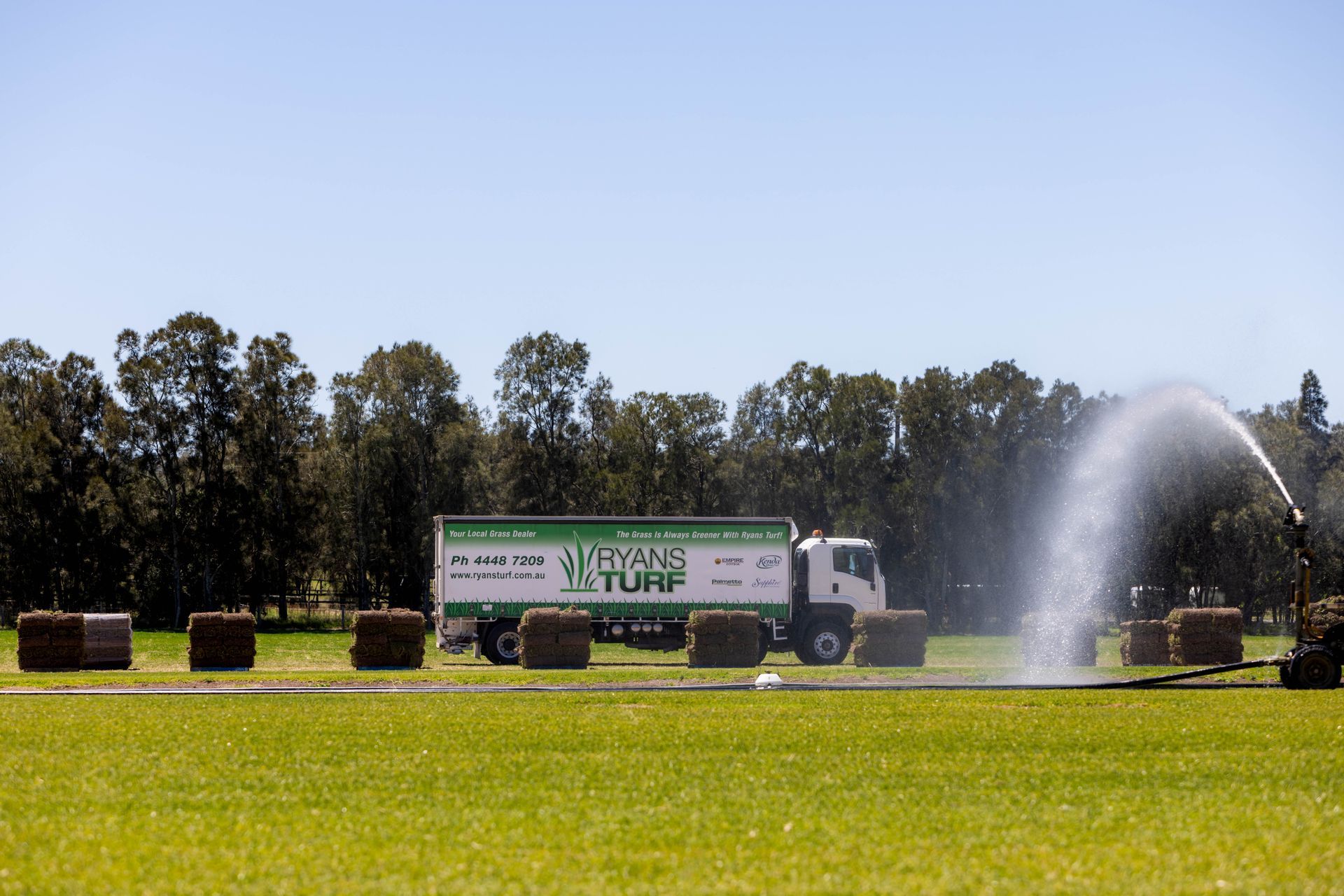
At Ryans Turf we grow Palmetto, Sapphire, Sir Walter and PetPro Buffalo, plus Kenda Kikuyu, on our family farm. They're all varieties that suit coastal NSW conditions.
What Is Artificial Grass (Fake Grass) Actually Made From?
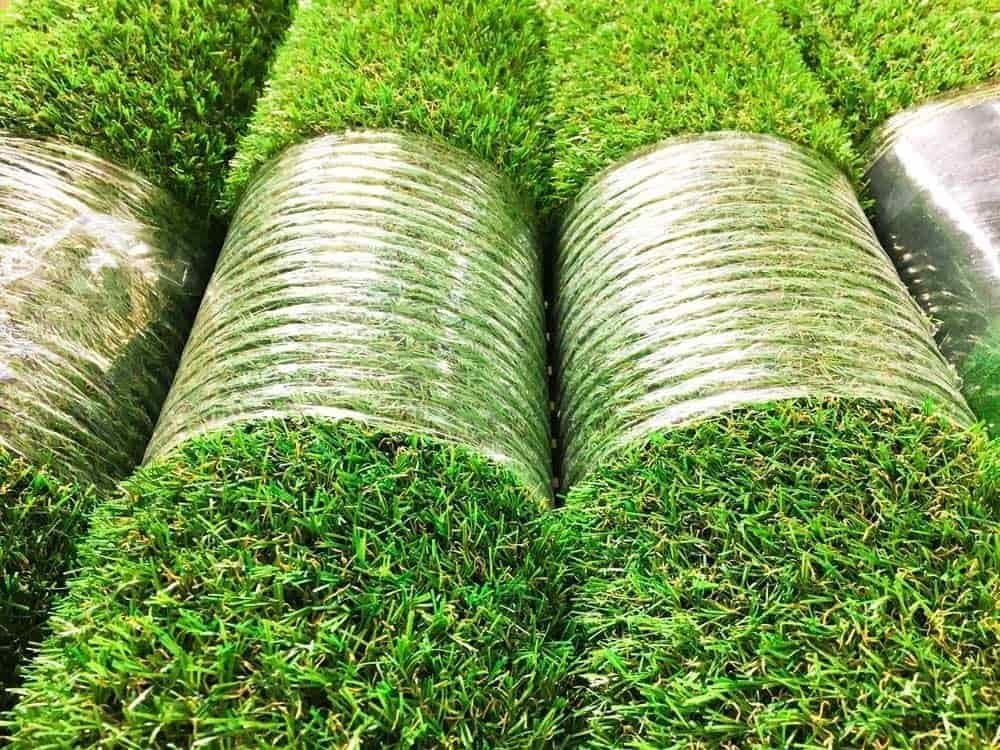
Artificial grass is made almost entirely from plastics, with a sand or rubber infill, and has no living plant material at all. Also called synthetic turf or fake grass, it's manufactured to copy the colour and height of a lawn. The main parts are:
- Plastic yarns , usually polyethylene or polypropylene, which form the "blades".
- A backing layer that holds the yarns in place.
- Infill such as sand or crumbed rubber, spread between the blades to weigh the surface down and cushion it.
- Joining tapes and adhesives used to secure seams and edges.
Because it's a mix of plastics glued together and filled with sand or rubber, artificial grass is very hard to recycle, and most of it ends up in landfill. It's often sold as "maintenance free", but if you're weighing up a synthetic lawn for a home in Nowra or Wollongong, it pays to know what upkeep it really needs. We cover that further down this post.
What Is Real Turf, and How Does It Behave in a Coastal NSW Garden?
Real turf is a living lawn with roots, soil and a small ecosystem of worms and microorganisms beneath it, and it responds to the seasons. At Ryans Turf we grow the varieties best suited to the South Coast and Illawarra:
- Sir Walter Buffalo: a soft, broad-leaf buffalo with very good shade and coastal tolerance, and an excellent all-rounder for family homes.
- Palmetto Soft Leaf Buffalo: needs only 2 to 4 hours of sunlight a day and grows slowly, so it needs less mowing.
- Sapphire Soft Leaf Buffalo: tolerates up to 70% shade and doesn't go dormant through winter, so it keeps its colour.
- PetPro Buffalo: a buffalo we recommend for homes with dogs and busy family yards.
- Kenda Kikuyu: fast growing and self-repairing, ideal for sunny, high-traffic blocks.
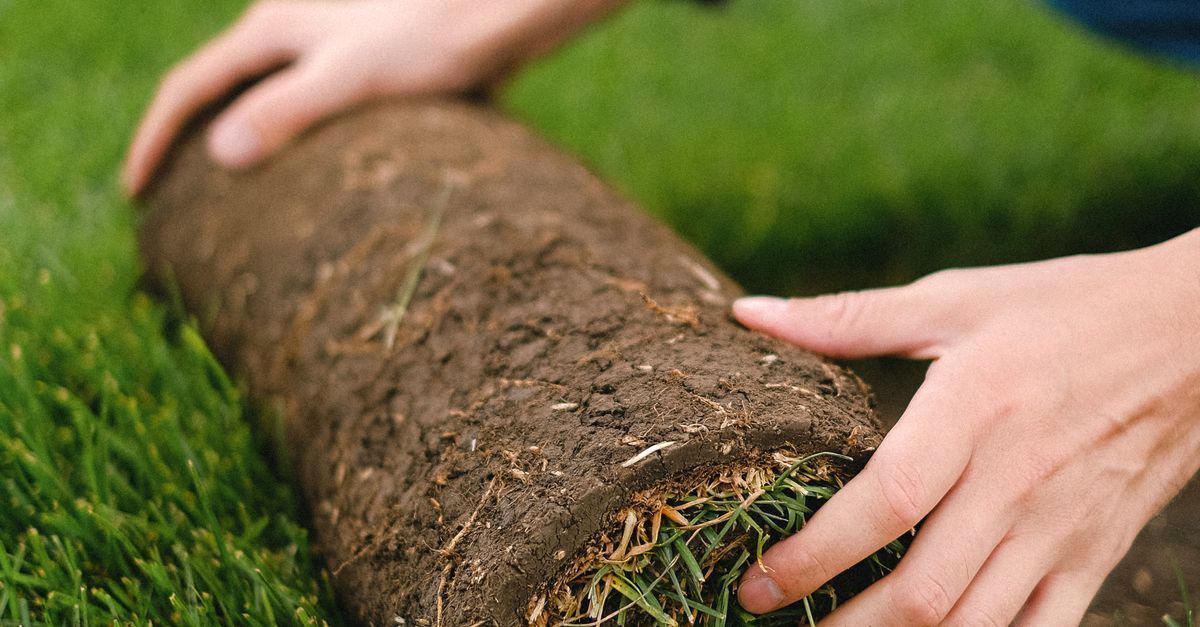
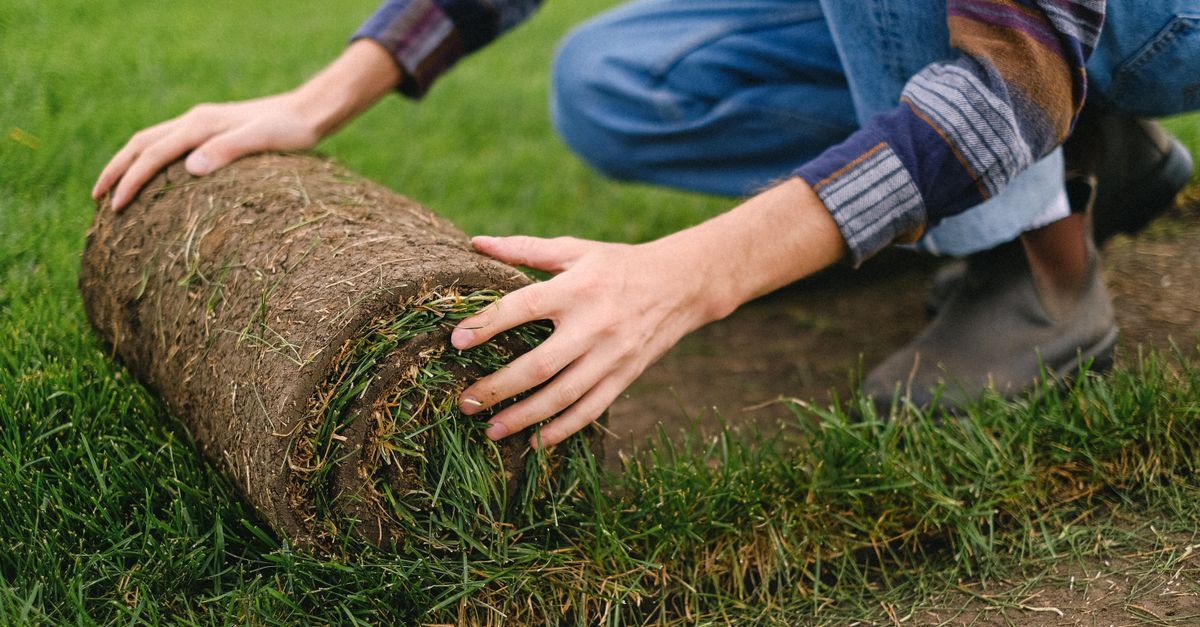
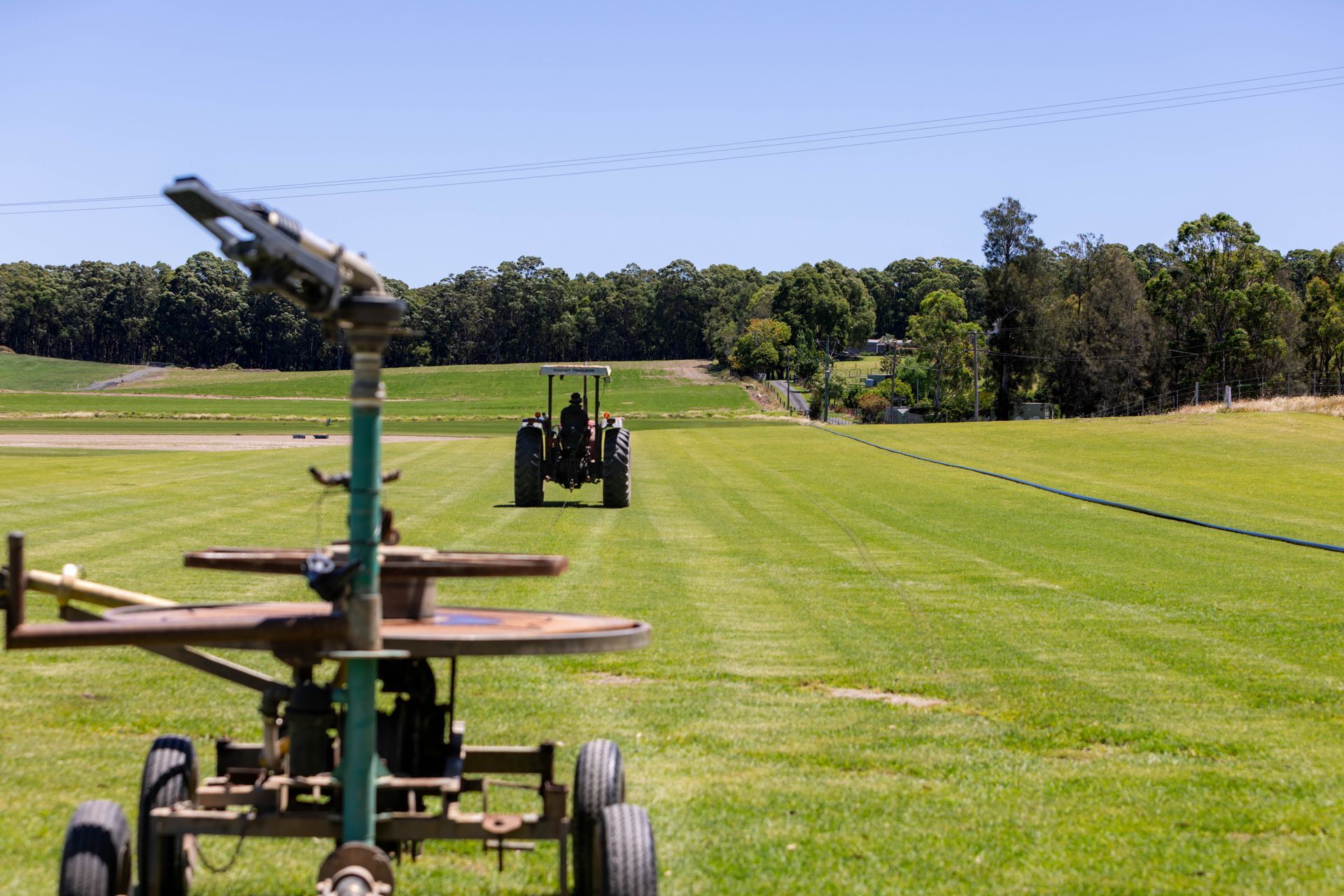
Our turf is harvested to order, so it arrives fresh and establishes quickly when it's laid and watered straight away. A natural lawn gets greener and softer with autumn rain, slows down in winter and spreads to fill gaps as it grows. Unlike a synthetic surface, it can knit back together rather than needing to be ripped up and replaced. If you want to know which variety suits your yard, our guide to different turf varieties and their uses is a good place to start.
Artificial Grass Costs vs Real Turf Costs
Artificial grass usually costs more to install than real turf, while real turf costs more to look after over time. We haven't put dollar figures on artificial grass here because prices vary between suppliers and installers, so always get current quotes.
Artificial grass installation typically includes:
- excavating and disposing of the existing soil or lawn
- road base, crusher dust and compaction
- weed mat
- the synthetic product itself, plus infill
- skilled labour to cut, join seams and secure edges.
Real turf installation covers the turf rolls, site preparation and soil improvement, delivery and laying. You're preparing soil rather than building a compacted stone pad, so the groundwork is generally simpler. For a natural lawn in Nowra, Berry or Shellharbour, we offer a free measure and quote, so you'll know the full cost before any work starts.
Ongoing costs are where the two swap places. A real lawn needs water, fertiliser and mowing, whether you do it yourself or pay someone. Artificial grass needs little or no watering, but you'll still pay for cleaning products, infill top-ups, repairs and, eventually, full replacement and disposal. Which one works out cheaper over ten years depends on your yard size, your watering habits and how long the synthetic surface actually lasts.
What Artificial Grass Requires: Maintenance You Still Have to Do
Artificial grass still needs regular cleaning to stay safe and presentable, especially near the coast where wind-blown sand and salt are part of life. Typical jobs include:
- blowing or brushing off leaves, gum bark and debris
- hosing off dust and spills
- spot-cleaning pet urine and picking up after dogs promptly
- treating mould or odours in damp, shaded corners
- redistributing or topping up infill
- checking seams and edges for lifting.
Sand, crumbs and organic matter build up between the fibres over time, so the surface needs deeper cleans to stop smells, particularly in small courtyards that don't get much rain. Coastal winds around Kiama, Gerringong and Shellharbour regularly blow fine sand across synthetic lawns, so they often need more sweeping than the brochure suggests.
Real turf maintenance is a different kind of work: mowing, edging, seasonal fertilising and some weed control. It's more physical, but it's a routine most South Coast homeowners already know. Our beginner's guide to turf care walks you through it.
Heat, Comfort and Play: How Each Surface Feels Underfoot
Real turf stays much cooler underfoot than artificial grass on a hot day, and that's the difference families notice most. Synthetic turf is plastic laid over a compacted base, so it soaks up heat and gives it back. On a sunny summer afternoon in Nowra or Wollongong, unshaded artificial grass can get too hot for bare feet and paws, and in a small enclosed courtyard it can make the whole space feel warmer.
Some products use cooler yarns or cooling infills, but these reduce the problem rather than remove it. If you're considering synthetic grass, leave a sample piece in the sun on a hot day and touch it before you commit.
A living lawn cools itself and the air around it as moisture evaporates from the leaves. Even in a heatwave, a healthy buffalo or kikuyu lawn usually stays comfortable enough for kids to play on.
- Artificial turf is firm and even and won't wear into bare patches, but it can cause friction burns during slides and tumbles.
- Natural turf can get muddy after heavy rain, but it's softer and more forgiving for falls.
Pets, Dog Urine and Everyday Mess
Real turf is usually the easier surface to live with if you have dogs, because it absorbs urine naturally and recovers from wear. Many of the homeowners who come to us for turf supplies in Wollongong are weighing up artificial grass mainly because of their pets.
Artificial grass and dogs: urine drains through the backing into the base below. In warm, shaded or enclosed spaces this can leave lingering smells, and you'll need to pick up solids promptly, hose regularly and use enzyme cleaners from time to time.
Real turf and dogs: urine can leave brown spots on some lawns, but hardy varieties like Sir Walter, PetPro Buffalo and Kenda Kikuyu usually recover with a good watering and the odd small repair. A living lawn is also softer on paws and joints than a hard plastic surface.
A few simple tips for a dog-friendly natural lawn:
- Set aside a corner or run for the heaviest traffic.
- Lay stepping stones along the paths your dog uses most.
- Water urine spots promptly to dilute them.
- Choose a tough, self-repairing variety that's soft underfoot.
Environmental Impact: Is Artificial Grass Environmentally Friendly?
Artificial grass saves irrigation water, but it's a plastic product that supports no soil life and usually ends up in landfill, so on balance a well-managed natural lawn is the greener choice. Here's the trade-off for South Coast homes.
Concerns with artificial turf:
- It contains a large volume of plastic, and making it relies on fossil fuels.
- As the fibres break down, they can shed microplastics into soil and waterways.
- It covers the ground with a plastic layer, so worms, insects and soil microbes can't live beneath it.
- Most artificial lawns can't be recycled.
Where artificial grass does better: it doesn't need watering and needs fewer lawn chemicals, which matters to households on tight water budgets.
Natural turf's environmental benefits: a living lawn feeds insects, worms and birds, filters rainwater, reduces run-off and helps cool the area around your home. Sensible watering, the right fertiliser at the right time and a drought-hardy variety keep a natural lawn in Nowra or Wollongong easy on the environment.
Durability, Lifespan and How Each Surface Ages
A natural lawn can be repaired as it ages, whereas artificial grass eventually has to be replaced. The two wear in very different ways.
Artificial grass over time:
- Fibres flatten along busy paths and look tired.
- Colour fades in full sun.
- Seams can open if the installation wasn't done well.
- Infill shifts, compacts or washes out in heavy rain.
- Once it looks worn, the only real fix is to pull up the whole surface and dispose of it.
Real turf over time:
- It can thin in high-wear spots like dog paths or under the clothesline.
- These patches can be brought back with aeration, top dressing and small pieces of fresh turf.
- A well-chosen variety such as Sir Walter Buffalo or Kenda Kikuyu, laid on good soil, thickens up over the years with regular care.
Appearance, Feel and the "Fake vs Natural" Question
Modern artificial grass can look convincing when it's new, but a real lawn has a texture, smell and seasonal life that plastic can't copy. Over time, synthetic turf gives itself away: the colour and height are too even, it can have a slight sheen in strong sun, and it doesn't change with the seasons. It also looks more obviously artificial where it meets pavers or garden beds.
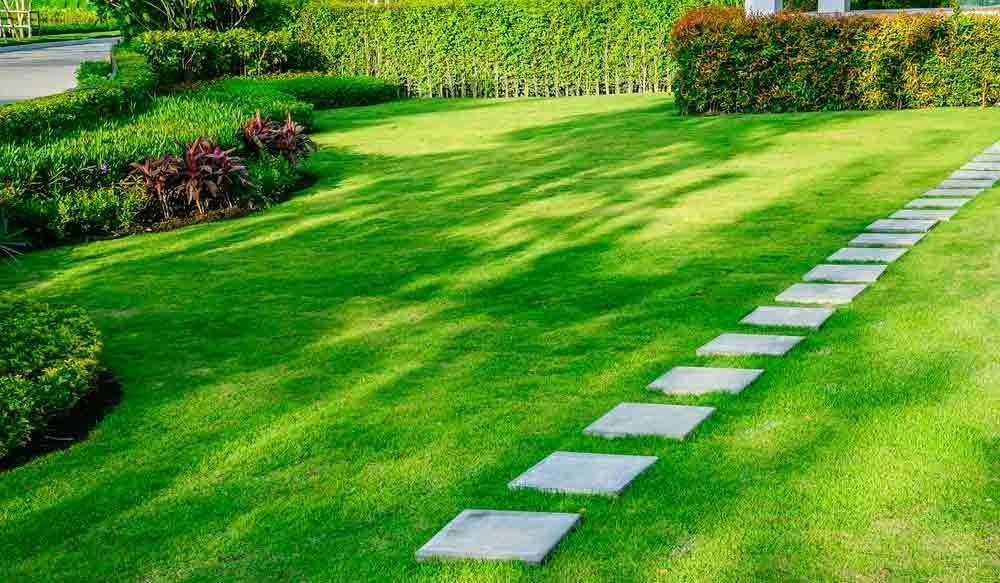
A natural buffalo or kikuyu lawn is lush, dense and soft underfoot, with the smell of fresh-cut grass and dew in the morning. That's why so many homeowners from Thirroul to Vincentia still choose a living lawn, even for small yards. Even a small patch of real grass that's been laid properly feels more like a garden than a fake lawn ever can.
Local Climate: Artificial Grass vs Real Turf on the NSW South Coast
The South Coast and Illawarra climate, with its strong summer sun, sea breezes, dry spells and heavy coastal downpours, is tougher on artificial grass than most people expect, and well suited to the right natural turf.
How the local climate affects artificial grass:
- Synthetic turf in north- or west-facing yards heats up quickly in full summer sun.
- Salty winds and fine coastal sand blow into the fibres, so it needs regular sweeping and rinsing.
- Heavy downpours test the drainage and can wash infill out of the base.
How the local climate affects real turf: at Ryans Turf we grow our turf right here on the South Coast, so it's already used to local conditions. Buffalo handles humidity, moderate salt exposure and shade from houses and fences. Kikuyu thrives on sunny, high-wear blocks. Choosing a variety to match sandy coastal soil, clay pockets or shaded areas matters far more than any general rule.
Where Artificial Grass Can Make Sense (and Where Real Turf Shines)
Artificial grass can suit small, awkward spots where living grass struggles, while real turf is the better choice for the main family lawn. Some properties suit a mix of both.
Artificial grass might work for:
- tiny courtyards with almost no sun or soil
- narrow side paths where mowing is difficult
- under permanent play equipment like trampolines.
Real turf usually wins for:
- family backyards used for barefoot play and entertaining
- homes with dogs that love to run and roll
- gardens where birds, insects and soil health matter to you
- larger blocks where cooling and drainage matter
- anyone who simply prefers the look, feel and smell of real grass.
A hybrid approach works well for some homes: a small synthetic patch in a deeply shaded side yard, with a buffalo or kikuyu lawn as the main play and entertaining space. Getting the design right from the start means the two surfaces work together.
How to Decide for Your Home (Step‑By‑Step)
The quickest way to decide between artificial grass and real turf is to look honestly at your yard, how you use it and how much care you'll realistically give it. Work through these steps:
- Measure your lawn area in square metres.
- Map sun and shade across the day. Which parts get full sun, part shade or deep shade?
- List who uses the space : young kids, teenagers, dogs, older family members, guests.
- Note existing problems like mud, bare patches, poor drainage or awkward mowing access.
- Be honest about time : how much lawn care will you really do each week?
Then weigh up your budget for installation against ongoing costs, how you feel about plastic versus living surfaces, and how much wildlife and the environment matter to you. If you're still unsure, a free measure and quote from Ryans Turf will show you what's realistic for your block around Nowra, Bomaderry, Dapto or Albion Park.
Why Choose Ryans Turf for Natural Lawn on the NSW South Coast?
Ryans Turf is a family owned and operated turf farm that has been supplying and installing natural lawns across the Shoalhaven, Illawarra and South Coast since 1995.
- Turf is harvested to order from our own farm, so it arrives fresh and establishes quickly.
- We know local coastal soils, from sandy yards to clay pockets.
- We grow Palmetto, Sapphire, Sir Walter and PetPro Buffalo and Kenda Kikuyu to suit different blocks and uses.
- We don't sell artificial grass, so our advice is about whether natural turf will work for you, not about pushing a product.
- We offer a free measure and quote, with practical advice on soil preparation and lawn care.
If you'd like honest advice on a natural lawn, give us a call on (02) 4448 7209. Our team is happy to talk through your yard and help you choose the right turf.
Frequently Asked Questions
Is artificial grass worth it for a small courtyard or balcony?
Artificial grass can be worth it for a very small space with no soil and little sun, such as a concrete courtyard or an upstairs balcony, as long as heat and drainage are managed. For a typical ground-level backyard in Nowra or Wollongong, a small patch of real turf or some low-maintenance planting usually gives a cooler, more natural result.
Can I mix real turf and artificial grass in the same garden?
Yes, many homeowners combine a main natural lawn with a small synthetic section in a hard-to-mow or heavily shaded spot. Plan the edges carefully, and make sure the artificial area drains well and isn't sitting right next to planted beds, where it can radiate heat onto them.
Does artificial grass attract or deter insects and wildlife?
Artificial grass offers no food or habitat for worms, insects or birds, so you'll see far less wildlife on it than on a real lawn. If you enjoy birds and bees in your garden, keep at least part of your yard as real turf and planting.
Will a natural lawn be too hard to look after if I'm busy or getting older?
A natural lawn doesn't have to be hard work if you choose the right variety and size. A slow-growing buffalo like Palmetto needs less mowing, a simple tap timer takes care of watering, and a smaller lawn surrounded by low-maintenance garden beds cuts the workload further.
How do I know if my soil and drainage are good enough for real turf?
Most South Coast soils can grow a good lawn with the right preparation. Dig a small test hole to see whether you have sand, loam or clay, then fill it with water and watch how quickly it drains. If water sits for hours, the soil needs improving before you lay turf. If you'd like an expert opinion, call Ryans Turf on (02) 4448 7209 to book a free measure and quote.