Watering New Turf: A Week-by-Week Guide for South Coast Lawns
Watering new turf comes down to three things: water it the moment it's laid, keep the root zone consistently moist while it establishes, then taper off once the roots bite. At Ryans Turf, we've been helping homeowners around Nowra, Wollongong and the South Coast grow healthy lawns since 1995, and watering is the aftercare question we're asked most often. Get the watering right in the first few weeks and you'll have a lawn that thrives. Get it wrong and the turf can die off at the edges. This week-by-week guide shows you how to do it.
Key Takeaways
New turf needs frequent, light watering at first, then gradually less frequent but deeper watering as the roots grow down into your soil. In short:
- Lay and water as you go, and keep the root zone consistently moist, but not soaked, while the turf establishes.
- Start with short, frequent waterings, then taper off as the roots bite.
- Avoid puddles and spongy ground, and keep foot traffic off until the turf no longer lifts when tugged.
- Most new lawns establish within 2 to 4 weeks depending on the season. Hot, windy weather means more water, and mild or rainy spells mean less.
- For personalised aftercare advice, call Ryans Turf on (02) 4448 7209 or visit our lawn care in Nowra page.
Before You Start: Getting Watering Right When Laying New Turf
Getting the watering right starts before the first roll goes down, with prepared, pre-moistened soil and your hoses or sprinklers ready to go. New turf dries out quickly in the Illawarra and Shoalhaven sun, so set everything up before delivery.
- Prepare the ground: clear old grass and weeds, fix any obvious drainage problems and level the surface so water soaks in evenly rather than pooling in dips.
- Dampen the soil: lightly moisten the prepared soil before laying, so the root zone is evenly damp when each roll goes down.
- Lay and water as you go: after each run of turf, press it in firmly and water that section straight away, so both the underside of the turf and the soil beneath are damp.
- Watch slopes and windy spots: these dry out fastest, so give them extra short waterings through the day.
Because our turf is harvested to order, it arrives fresh and full of life. Getting it onto moist ground quickly gives it the best possible start.
Week 1: Watering a Just‑Laid Turf Lawn
In the first week, water new turf little and often so the turf and the top of the soil never dry out. This is when the roots start moving from the turf pad into your soil, so it's the most important week of all.
- How often: in warm late-spring or summer weather, that usually means watering more than once a day, focusing on the morning and early afternoon. In cool or rainy spells, ease off.
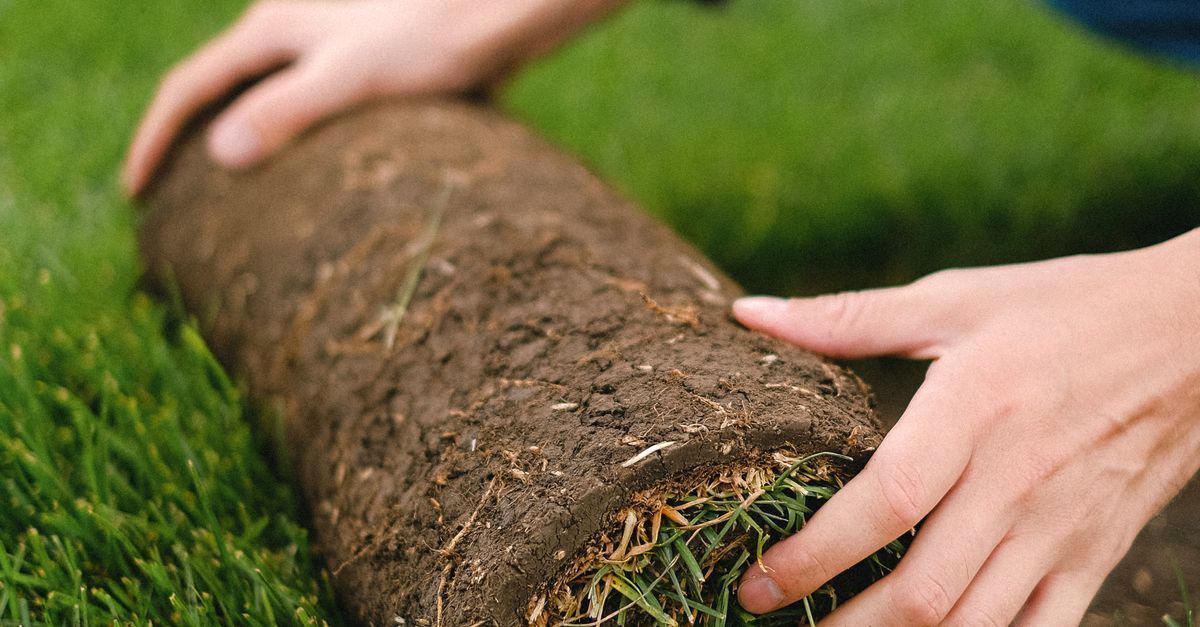
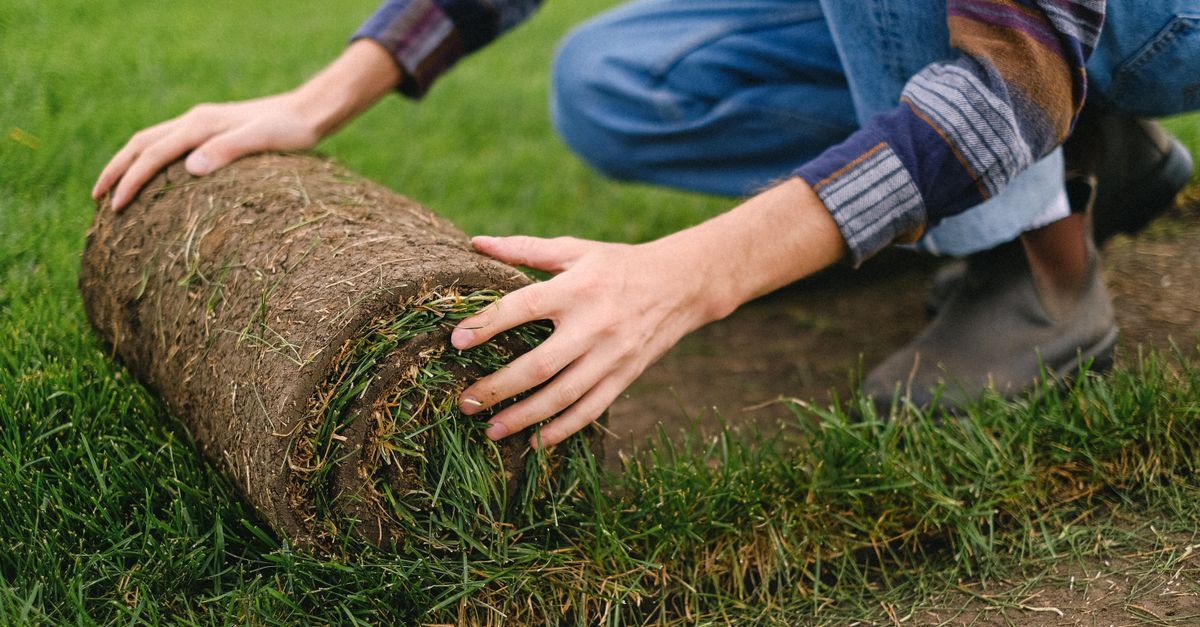
- Test the moisture: gently lift a corner of turf. The soil underneath should feel like a damp sponge, cool and moist rather than dry and crumbly.
- Watch for overwatering: if water pools, runs off or the ground squelches underfoot, water for less time or less often.
- Keep off: avoid walking on the new lawn so it can knit into the soft soil below.
Sun and shade make a big difference too. A shaded, south-facing backyard in Wollongong will need less water than a sunny, windy yard near the coast at Shellharbour or Culburra Beach.
Week 2: Tapering Water as Roots Start to Bite
In the second week, start spacing out your waterings and making each one a little deeper, so the roots are encouraged to grow down into the soil. By now new turf should start to anchor. When a corner no longer lifts easily, move from short, frequent waterings to fewer, deeper sessions. A light top-up on a hot, dry afternoon is still fine.
The root zone should stay moist, but let the surface dry a little between waterings. That discourages shallow roots and weeds. Give the grass a gentle tug: if it resists and the soil feels crumbly rather than muddy, the roots are establishing well. In warm months most lawns reach this stage by the end of the second week, while cooler seasons can take a little longer.
Weeks 3–4: Moving from New Turf to an Established Lawn
From weeks 3 to 4, switch from keeping the lawn constantly moist to watering deeply and less often, which builds a stronger, more drought-hardy root system. Most new lawns are well on the way to being established by now, depending on the season and weather.
- Water deeply, less often: give the lawn a good soak each time rather than frequent light sprinkles.
- Adjust for the season: in a hot, dry January in Nowra your lawn may still need regular deep watering, while in a mild, wet autumn in Wollongong, rain may do most of the work.
- Read the grass: if the blades fold, turn greyish or lose colour, water a bit more. If the surface stays soggy, ease off.
- Watch for weeds: a dense lawn that's well watered, but not soggy, crowds out most weeds. Pull any invaders by hand before they spread.
Our 5 watering tips for a greener lawn cover the routine once your lawn is fully established.
Watering, Mowing and Foot Traffic: How They Work Together
How you water new turf decides when you can first mow it and how soon it can handle everyday use.
- First mow: wait until the blades reach 30 to 50 mm and the turf doesn't lift when gently tugged, usually 2 to 3 weeks after laying. Mow on a high setting and take off no more than a third of the leaf.
- Dry surface first: skip watering before you mow, so the surface is reasonably dry. Mowing soggy turf can leave ruts and scalped patches.
- Ease into use: keep kids, pets and wheelie bins off until the turf is anchored, then build up use gradually as the lawn firms up.
- Move heavy objects: don't leave trampolines or paddling pools on the new lawn while the soil is still soft and wet.
Local Tips for a Healthy Lawn on the NSW South Coast
Water early in the morning and match your routine to your soil, because South Coast conditions vary a lot from yard to yard.
- Coastal breezes: warm, windy days along the Illawarra dry new turf quickly, which makes early morning watering especially valuable.
- Sandy soils: sandy soils near the coast, like those around Shoalhaven Heads, drain fast and need shorter, more frequent waterings early on.
- Clay soils: clay pockets in parts of Nowra hold water for longer, so watch for pooling and cut back if needed.
- Feeding: new turf gets a starter fertiliser when it goes down. Hold off on your regular balanced granular feed until the lawn is 6 to 8 weeks old.
Our advice is the same whether you're watering a big backyard in Berry or a small front lawn in Dapto: prepare the ground well, water consistently through the first few weeks and let the turf do its work. For year-round routines, see our beginner's guide to turf care. For advice tailored to your yard, soil and turf variety, call us on (02) 4448 7209 or visit our lawn care page.
FAQ: Common Questions About Watering New Turf
How soon after laying turf should I water it?
Water each section of new turf as soon as it's laid, rather than waiting until the whole lawn is finished. On a hot or windy day around Nowra or Wollongong, leaving freshly laid turf dry even for a short time can make the edges curl and stress the grass.
What if there are council water restrictions when I lay new turf?
Follow whatever water rules currently apply in your area, and check whether they include allowances for newly laid turf. Make the most of permitted times by watering early in the morning and focusing on the newest, most exposed areas first.
How can I tell if I'm overwatering my new lawn?
The signs of overwatering are water sitting on the surface, turf that feels spongy underfoot, a musty smell, or moss appearing in low spots. If you notice any of these, water less often and let the surface dry between sessions.
Do I need wetting agents for my new turf?
Wetting agents can help lawns on sandy or water-repellent soils, but they're usually more useful once the lawn is established than in the first few days. If parts of your lawn stay dry even after watering, or the water beads and runs off, ask us for advice before applying anything.
When should I call for professional help with my new lawn?
Get advice if new turf is rapidly yellowing, still lifting in large sheets after a couple of weeks, or developing bare or rotting patches despite careful watering. Ryans Turf can often pinpoint a watering or soil issue over the phone, so give us a call on (02) 4448 7209.