Laying Turf in Summer: How to Get It Right on the South Coast
Laying turf in summer works well on the NSW South Coast, as long as the ground is ready before delivery, the rolls go down straight away and you stay on top of the watering. At Ryans Turf, we've been growing, supplying and installing lawns around Nowra, Wollongong and the Illawarra since 1995, and summer is when a lot of backyard projects finally wrap up. This guide covers what it takes to get a new lawn through the heat, from planning and soil preparation to laying and the first few weeks of care.
Key Takeaways
You can lay turf successfully in summer if you move fast on the day and keep the water up afterwards. The essentials:
- Have your soil preparation, hoses and sprinklers ready before the turf arrives.
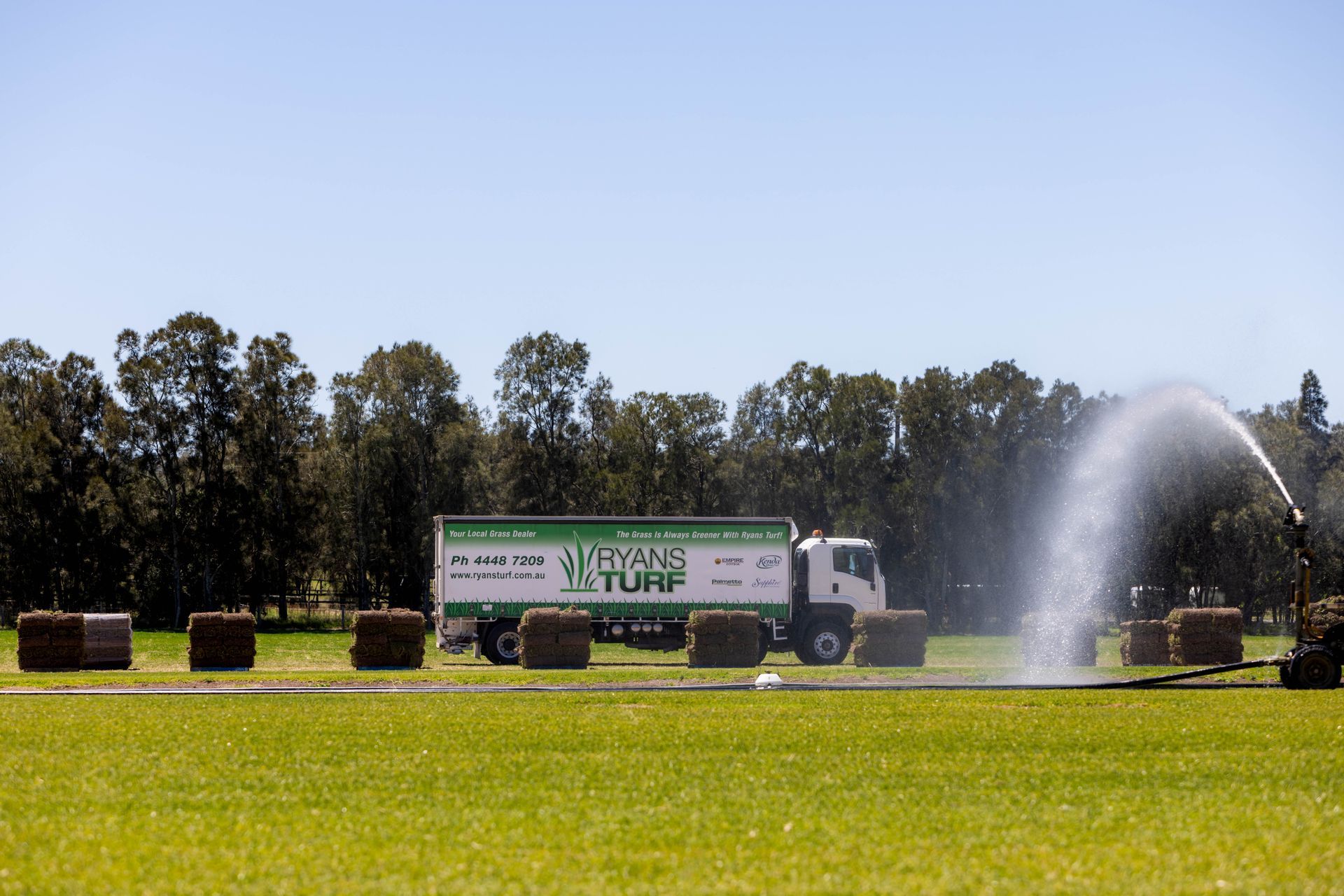
- We cut turf fresh to order and deliver it within 24 hours of harvest. Lay it straight away and never leave the rolls stacked in the sun.
- Water each section as you lay it, then keep the soil under the turf consistently moist.
- With diligent watering, a new lawn usually establishes in 2 to 4 weeks depending on the weather.
- If you'd rather hand the job over, we offer turf installation in Nowra and across the South Coast.
Can You Lay Turf in Summer on the South Coast?
Yes, you can lay turf in summer on the South Coast. Summer works with diligent watering, although spring and early autumn are the easiest seasons because milder weather does more of the work for you. Winter is also fine where soil temperatures stay mild.
The main risk from December to February is simple: heat and coastal wind dry out the soil and turf quickly. If the root zone dries before new roots can grab hold, the turf struggles. That's why good soil preparation, fast laying and a strict watering routine in the first few weeks make the difference in summer. Warm-season grasses like buffalo and kikuyu suit our local climate, and turf grown here on the South Coast is already used to the conditions. For cooler-season installs, see our guide to installing new turf heading into the cooler months.
Choosing Lawn Turf vs Artificial Grass for a Summer Project
For most summer backyard makeovers, natural turf is the cooler, softer choice for families. A living lawn cools itself as moisture evaporates from the leaves, so it stays comfortable under bare feet on hot days. Artificial grass holds heat in full sun.
New turf looks green and finished on the day it's laid, although the roots still need a few weeks to establish. If you're unsure which variety suits your yard's sun, shade and water access, give us a call and we'll point you in the right direction.
Planning a Summer Turf Installation
Planning is what makes a summer turf installation succeed, because the window between delivery and the turf drying out is shorter than in any other season. Get these sorted beforehand:
- Measure up. Work out your lawn area in square metres and add 5 to 10% for cuts around curves, beds and paths.
- Pick your delivery day. Choose a day when someone can be home to unload, lay and water. If a heatwave is forecast, talk to us about moving the delivery.
- Sort your water. Have hoses, working sprinklers and tap access ready, and check your local water rules before you start.
- Be ready on arrival. Our turf is harvested to order and delivered within 24 hours of harvest, so plan to lay it the day it arrives.
Soil Prep for a Summer Lawn
Soil preparation has to be finished before the first roll arrives, because well-prepared soil holds the moisture that keeps new roots alive in the heat.
- Clear the site. Remove old grass, weeds, rocks and debris so the new roots meet clean soil. Dig out any old grass with runners, or it will compete with the new lawn.
- Improve the soil. Loosen the ground and rake out stones and clods. If your soil is very sandy, shallow or compacted, add a quality underlay soil or organic matter to help it hold water.
- Level and grade. Level the surface with a gentle fall away from the house for drainage. Firm it lightly, but don't compact it so hard that water runs off.
- Pre-water. Water the soil well a day or so before laying, so the ground is moist but not muddy when the turf goes down.
Around Nowra, clay pockets can hold water and sandy coastal soils can dry out fast, so it pays to know which one you have.
Step-by-Step: How to Lay Turf in Hot Weather
To lay turf in hot weather, work quickly, keep the rolls shaded and water every section as soon as it's down.
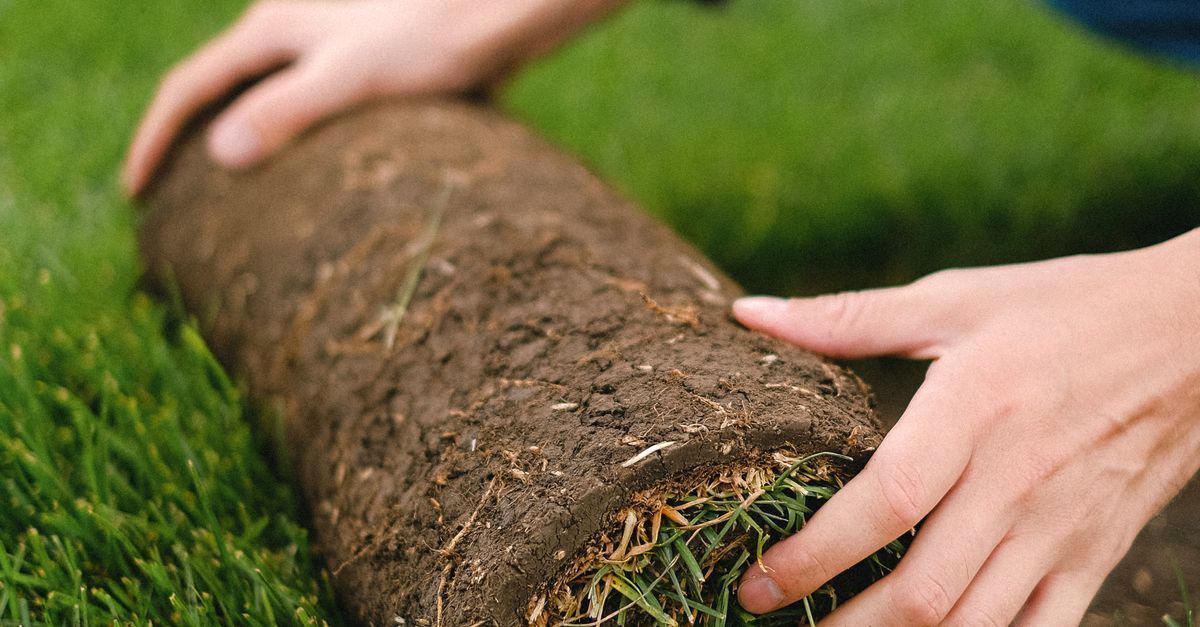
- Unload into shade. Put the rolls in a shaded spot if you have one, and start laying straight away. Don't leave them stacked in the sun.
- Start on a straight edge. Begin along a driveway, path or fence line.
- Brick-stagger the joins. Butt each piece tightly against the next with no gaps, and stagger the joins like brickwork. Don't stretch the rolls.
- Cut neatly. Trim around garden beds, trees and curves with a sharp knife or spade.
- Use boards. Kneel and walk on planks so you don't dent the levelled soil or the new turf.
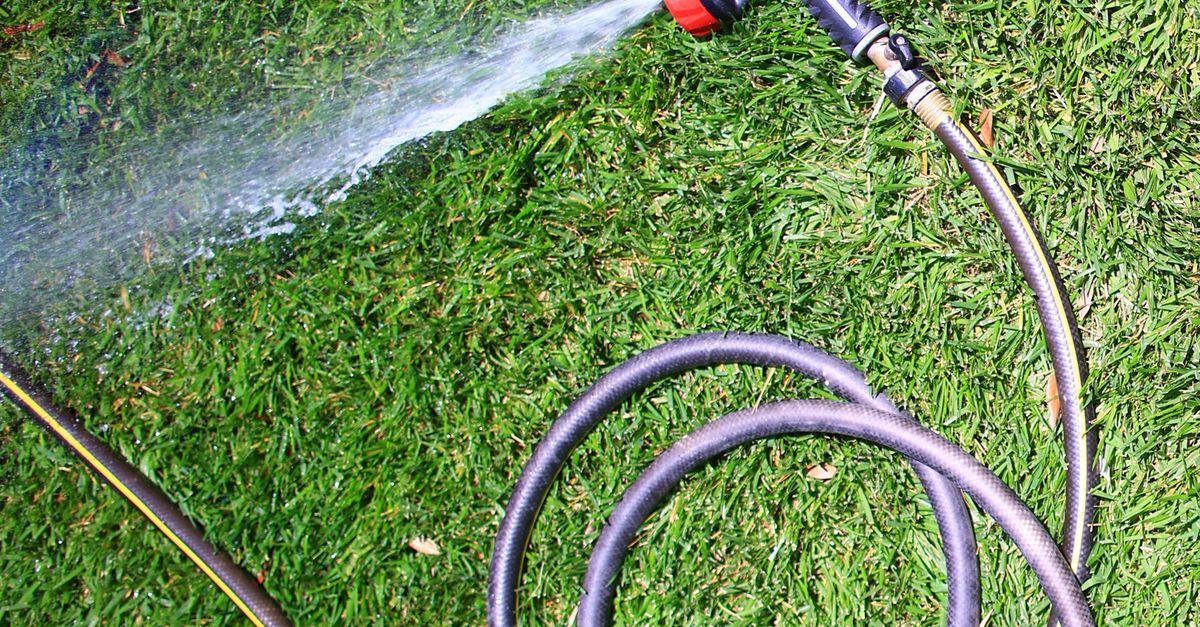
- Water as you go. Don't wait until the whole lawn is finished. In summer, even a short delay can leave edges and seams to dry out.
- Roll it. Go over the finished lawn with a roller to press the turf into full contact with the soil.
Watering New Turf in Summer: Deep Soaks, Not Quick Sprinkles
Newly laid turf needs a thorough soak on lay-down day, followed by consistent watering that keeps the root zone moist through the hottest part of summer. The first soak should wet the turf and soak into the soil below.
- First two weeks: keep the root zone consistently moist. In summer heat and coastal wind, that usually means watering at least daily, and more often on scorchers.
- Best time: water in the early morning to reduce evaporation. On very hot, windy afternoons, a short extra sprinkle helps stop the edges drying out.
- As roots take hold: gradually move to deeper, less frequent watering, which encourages roots to grow down and makes the lawn more drought-hardy.
- Check moisture: lift a corner of turf. The soil underneath should be damp, not dry and not boggy.
For established lawns, our 5 watering tips for a greener lawn covers the longer-term routine.
Caring for Your New Summer Lawn: First 2–4 Weeks
A summer-laid lawn needs 2 to 4 weeks of careful watering, very little traffic and patience before it behaves like an established lawn.
- Keep off: keep people, pets, wheelbarrows and outdoor furniture off the lawn until it has knitted in. A gentle tug on a corner will tell you when it's anchored.
- First mow: mow when the blades reach 30 to 50 mm and the turf doesn't lift when tugged, usually after 2 to 3 weeks. Use a sharp blade and take off no more than a third of the leaf.
- Fertiliser: use a starter fertiliser at or soon after laying, then switch to a balanced granular feed after 6 to 8 weeks.
Common Summer Turf Problems and How to Avoid Them
Most summer turf problems come down to too little water, too much water or poor contact with the soil, and all three can be fixed early.
- Under-watering: curling or greying leaves and crunchy edges. Water more often or for longer straight away.
- Over-watering: squelchy soil, pooling water or a sour smell. Cut back on watering and check the drainage.
- Lifting seams or corners: this usually means the soil underneath has dried out. Press the edges down and give them a slow, deep soak.
- Weeds in gaps: weeds move into any gaps between rolls. Tight joins and steady moisture help the turf fill in first.
If you notice yellowing patches or turf that hasn't rooted after a few weeks, give us a call early. A small change to your watering or soil contact often fixes it.
When DIY Turf Installation Becomes a Job for the Pros
DIY turf laying is fine for small, flat lawns on decent soil, but professional installation is worth it for difficult sites or big areas in summer. Consider getting help if you have:
- a steep or uneven yard where soil preparation and drainage are tricky
- heavy clay or very sandy ground that needs significant improvement
- a large area that has to be laid quickly before the heat dries it out
- not enough time to water often during the first few weeks.
Our turf installation service covers site preparation, laying and aftercare advice, so your new lawn gets the best start even in the middle of summer. Call us on (02) 4448 7209 to book your free measure and quote.
FAQs about Laying Turf in Summer
Is summer really a safe time to lay new turf on the NSW South Coast?
Yes, summer is a safe time to lay turf as long as the soil is prepared, the turf is laid as soon as it arrives and you keep up the watering for the first few weeks. Spring and early autumn are easier, but summer works well around Nowra and Wollongong with a bit of discipline.
How soon should I start watering after the turf is laid?
Start watering each section as soon as it's laid, rather than waiting for the whole lawn to be finished. The aim is to keep the soil under the turf moist from the moment it goes down.
Can I still lay turf if I only have handheld hoses and no irrigation system?
Yes, you can establish a new lawn with hoses and clip-on sprinklers if you water consistently through the first few weeks. Phone reminders or a simple tap timer help you stay on schedule. Irrigation isn't mandatory, but dripline or pop-up sprinklers give even coverage and make summer maintenance easier.
When is the earliest I can let kids or pets play on a summer-laid lawn?
Wait until the turf has rooted and doesn't lift when you gently tug a corner, which is usually 2 to 3 weeks. Start with light use in the cooler parts of the day, and save the running games until the lawn feels firm.
How far in advance should I book Ryans Turf for a summer turf installation?
Book as early as you can once you know your rough dates, especially around school holidays and long weekends. Our turf is harvested to order, so booking early helps us line up the harvest, delivery and any installation work. Call Ryans Turf on (02) 4448 7209 to get started.