Best Turf for Shade: How Much Sun Does Your Lawn Really Need?
The best turf for shade is a shade-tolerant soft leaf buffalo, but even the toughest shade grass still needs a few hours of direct sun each day. At Ryans Turf, we've been growing turf on our family farm and matching varieties to South Coast and Illawarra backyards since 1995. If your yard sits under big gums, tall fences or a neighbour's second storey, the most useful thing to know is how many hours of sun your lawn actually gets. This guide explains how much sun turf needs and which varieties cope best in shade. It also covers how to keep a shaded lawn thick and healthy.
Key Takeaways
Buffalo is the best grass type for shaded yards on the South Coast, and sun hours are the number one thing to check before you choose. In short:
- Palmetto buffalo needs only 2 to 4 hours of sunlight a day.
- Sapphire buffalo tolerates up to 70% shade and survives on as little as 2 to 3 hours of direct sun.
- Kikuyu has only moderate shade tolerance and couch has low shade tolerance, so both belong in full sun.
- No lawn grass thrives with no direct sun at all. Very dark corners are better as garden beds or paving.
- For a free measure and quote on shade-suitable turf, call Ryans Turf on (02) 4448 7209.
Understanding Shade in Aussie Backyards
How much shade your yard gets depends on the hours of direct sun each part receives, and that changes through the year. Around Nowra, Bomaderry and Wollongong, trees, fences and neighbouring buildings create a mix of conditions that we roughly group into three types:
- Full sun: direct sun for most of the day.
- Part shade: a few hours of direct sun, with filtered light the rest of the day.
- Heavy shade: very little direct sun, or mostly dappled light.
Seasonal sun angles matter too. A backyard in Worrigee might get decent sun in summer but much less in winter, when the shadows from fences and trees stretch further. Spend a day noting when the sun hits each part of your yard, and check again in winter if you can. That simple exercise tells you more than any product label.
Why Shade Makes Lawns Struggle
Shade makes lawns struggle because less sunlight means less energy for the grass to grow, thicken and recover from wear. Turf in shade tends to have thinner cover and heal more slowly from foot traffic and pets. Any thin patches leave room for weeds and moss to move in.
Shaded lawns also stay damp for longer after rain or watering, because less moisture evaporates. Overwatering them can lead to fungal problems and weak roots. Choosing a grass with real shade tolerance and adjusting your care routine is the simplest way to keep a shaded lawn in Wollongong or the Shoalhaven healthy.
Best Turf Types for Shaded Areas
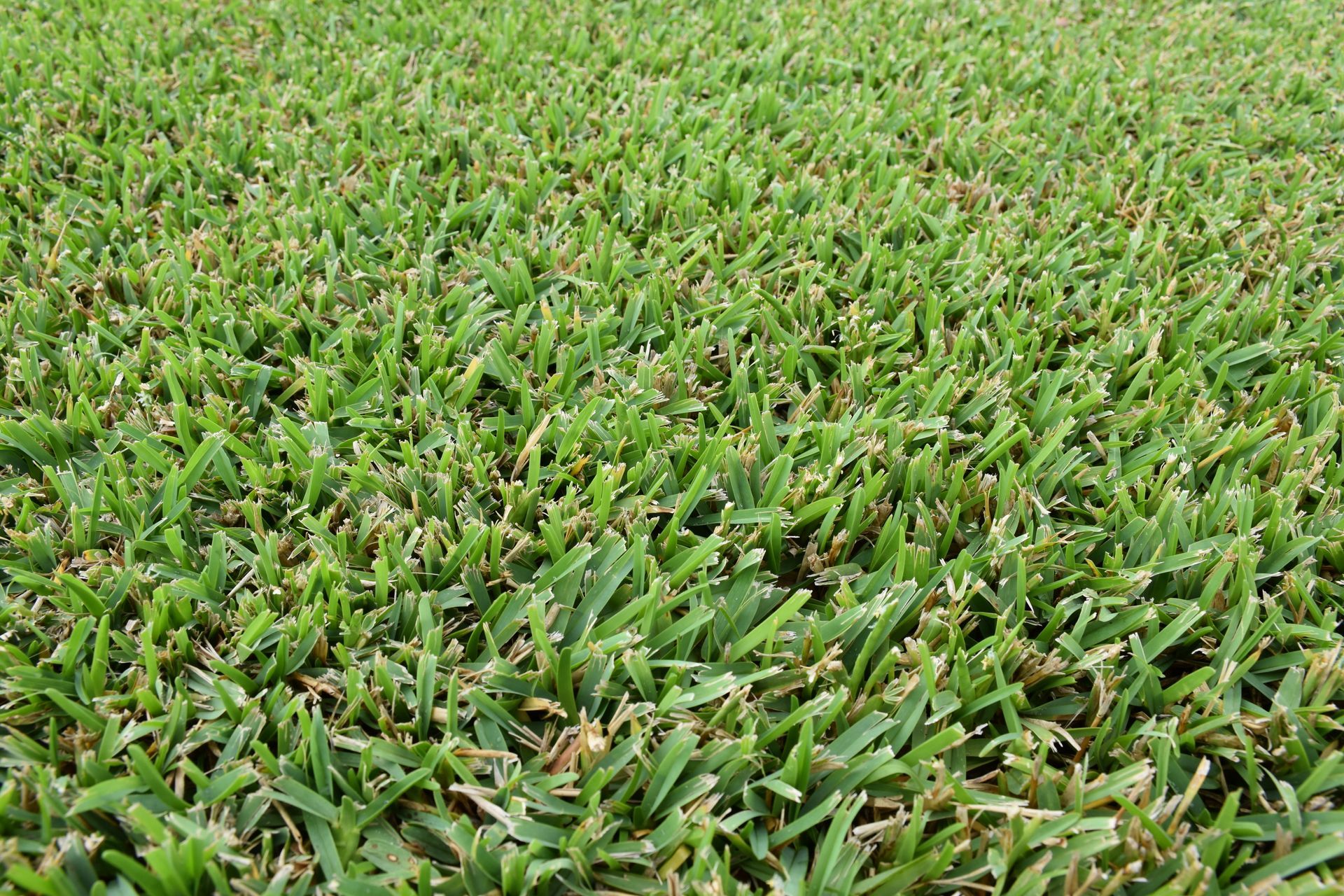
Soft leaf buffalo is the best turf type for shaded areas on the South Coast and Illawarra. It has good shade tolerance, stays soft underfoot and suits local coastal conditions. At Ryans Turf we grow several buffalo varieties, and two stand out for shade.
Palmetto Buffalo: Reliable Performer in Light to Moderate Shade
Palmetto is one of the most shade-tolerant soft leaf buffalo turfs available, needing only 2 to 4 hours of sunlight a day. That makes it ideal for lawns with morning sun and afternoon shade, or light shade from street trees and fences. It grows slowly, so you'll mow less often, and it stays greener for longer during dry spells. Palmetto works well in front yards with street trees, backyards shaded by the house and side areas with fence shadows.
Sapphire Buffalo: High Shade Tolerance for Difficult Spots
Sapphire is our go-to buffalo for the shadiest spots, tolerating up to 70% shade and surviving with as little as 2 to 3 hours of direct sun a day. It forms a dense, lush lawn with quick recovery, and it doesn't go dormant through winter, so it keeps its deep green colour year-round. Sapphire is a strong choice for the southern side of the house, courtyards and lawns under open tree canopies.
Kikuyu and Couch: Best Left for Full Sun Areas
Kikuyu and couch are best left for full sun, because neither copes well in heavy shade. Kikuyu grows fast and repairs itself, which makes it great for sunny, high-traffic yards, but it only has moderate shade tolerance and thins out under dense trees. Couch gives a fine, manicured finish in full sun but has low shade tolerance and gets sparse in shade.
Sir Walter Buffalo is another variety we grow, with very good shade tolerance. It's a great all-rounder for family homes that have a mix of sun and shade. For a yard with real shade, buffalo almost always beats kikuyu or couch. Our guide to choosing the right type of turf for your lawn covers the other factors worth weighing up.
Key Factors to Consider Before Choosing Shade Turf
The key factors to consider when choosing turf for shade are sun hours, wear, maintenance, soil and budget. Match each of these to your yard:
- Sun exposure: count the hours of direct sun in summer and in winter.
- Use and wear: kids, pets and regular foot traffic all put extra pressure on shaded turf, which recovers more slowly.
- Maintenance: think about how often you're willing to mow and feed.
- Soil and drainage: shaded areas stay wet for longer, so good drainage matters even more.
- Budget: premium buffalo costs more than kikuyu, but in shade it's often the more economical choice because it avoids patchy re-turfing later.
If you're not sure how your yard stacks up, our free measure and quote service covers homes from Albion Park and Kiama to Huskisson and Vincentia.
How to Establish a New Lawn in Shade
A new lawn in shade establishes best when you let in as much light as you can, prepare the soil well and water with care. Here's how we recommend setting it up:
- Prune lower branches and thin dense canopies to let in more light and airflow.
- Loosen compacted soil, add organic matter and level the ground to avoid soggy spots.
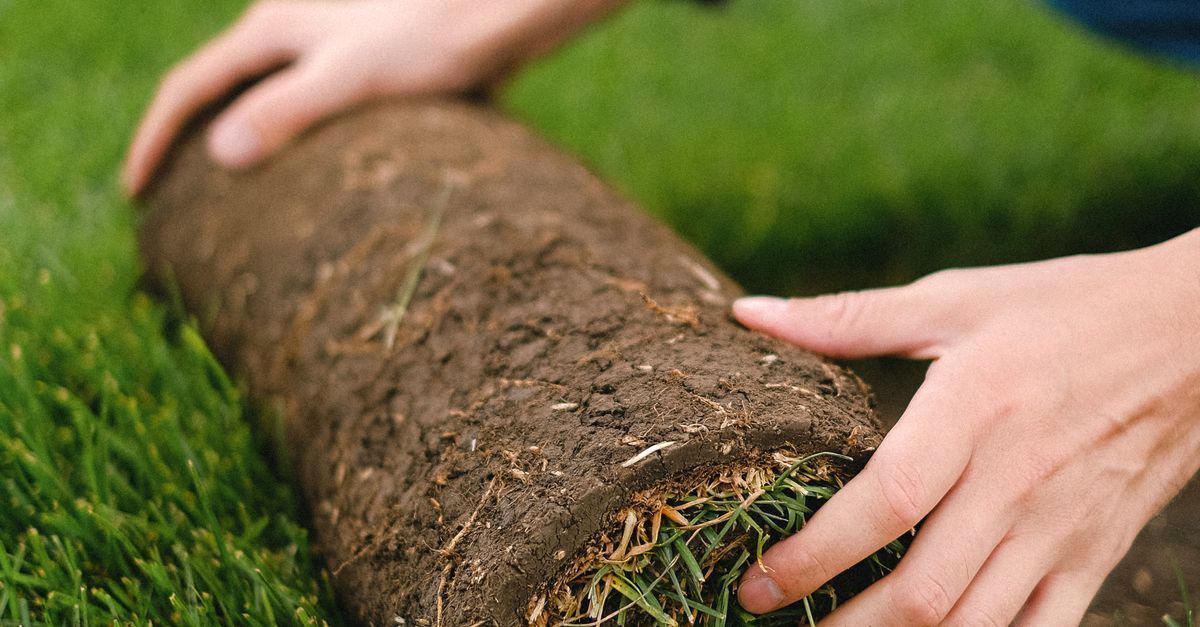
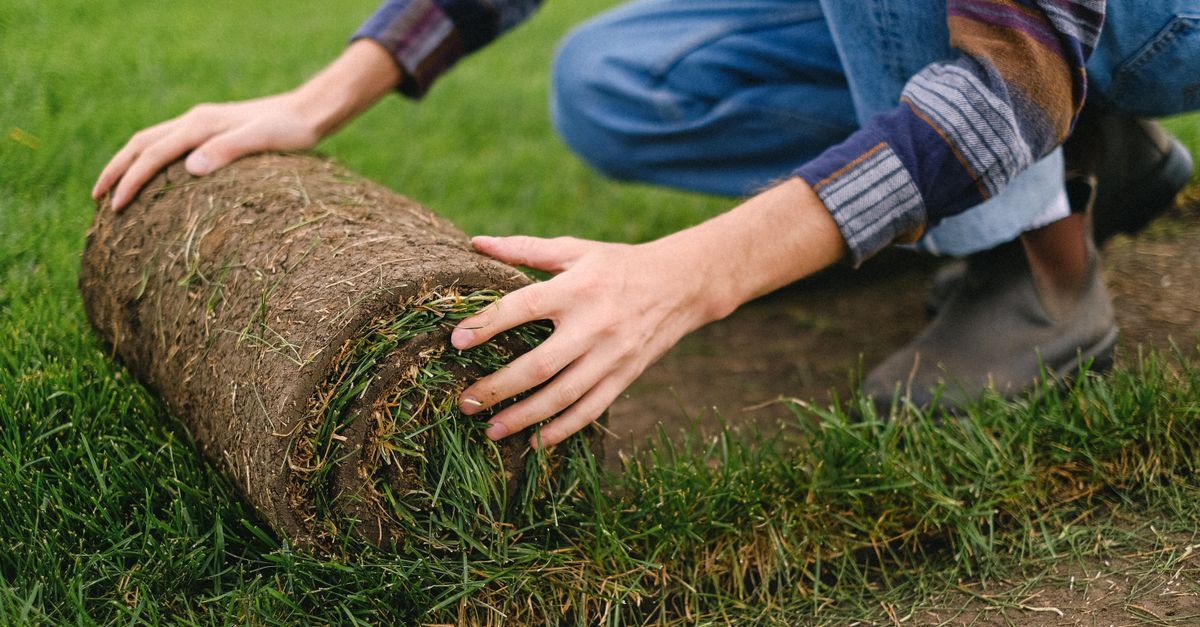
- Lay the turf in a brick-stagger pattern with tight joins and no gaps.
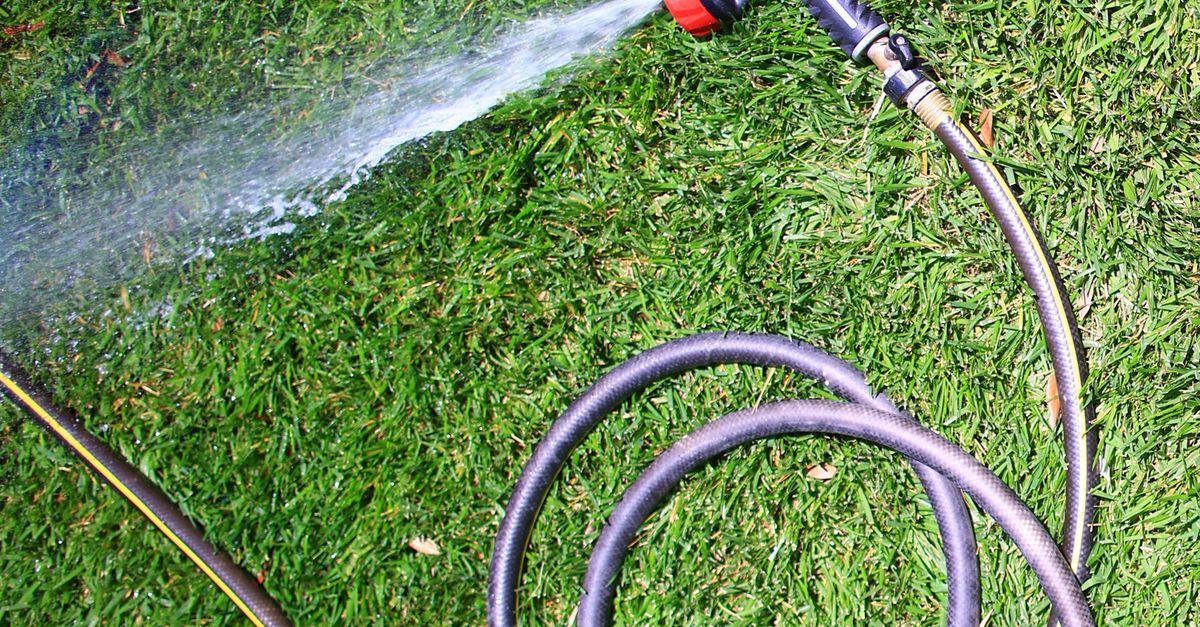
- Water lightly and often at first, remembering that shaded areas dry out more slowly than sunny ones.
- Keep traffic off shaded new turf for longer than you would in full sun, because it roots more slowly.
Ongoing Care Tips for Shaded Buffalo Lawns
Shaded buffalo lawns need higher mowing, less water and lighter feeding than lawns in full sun. Follow these tips to keep yours thick:
- Mow a little higher: leaving more leaf helps the grass catch the limited light.
- Water less often: shaded turf dries out slowly. Water deeply but less often, and avoid watering in the evening.
- Feed lightly: shaded grass grows more slowly, and heavy feeding can invite disease.
- Keep it clear: rake up fallen leaves and debris so they don't smother the grass or block the light.
- Aerate: aerate damp, compacted spots now and then to improve drainage.
- Act early: watch for thin patches, moss or fungus in the darkest corners and fix them before they spread.
For year-round routines, see our beginner's guide to turf care.
How Ryans Turf Can Help You Choose the Best Grass for Shade
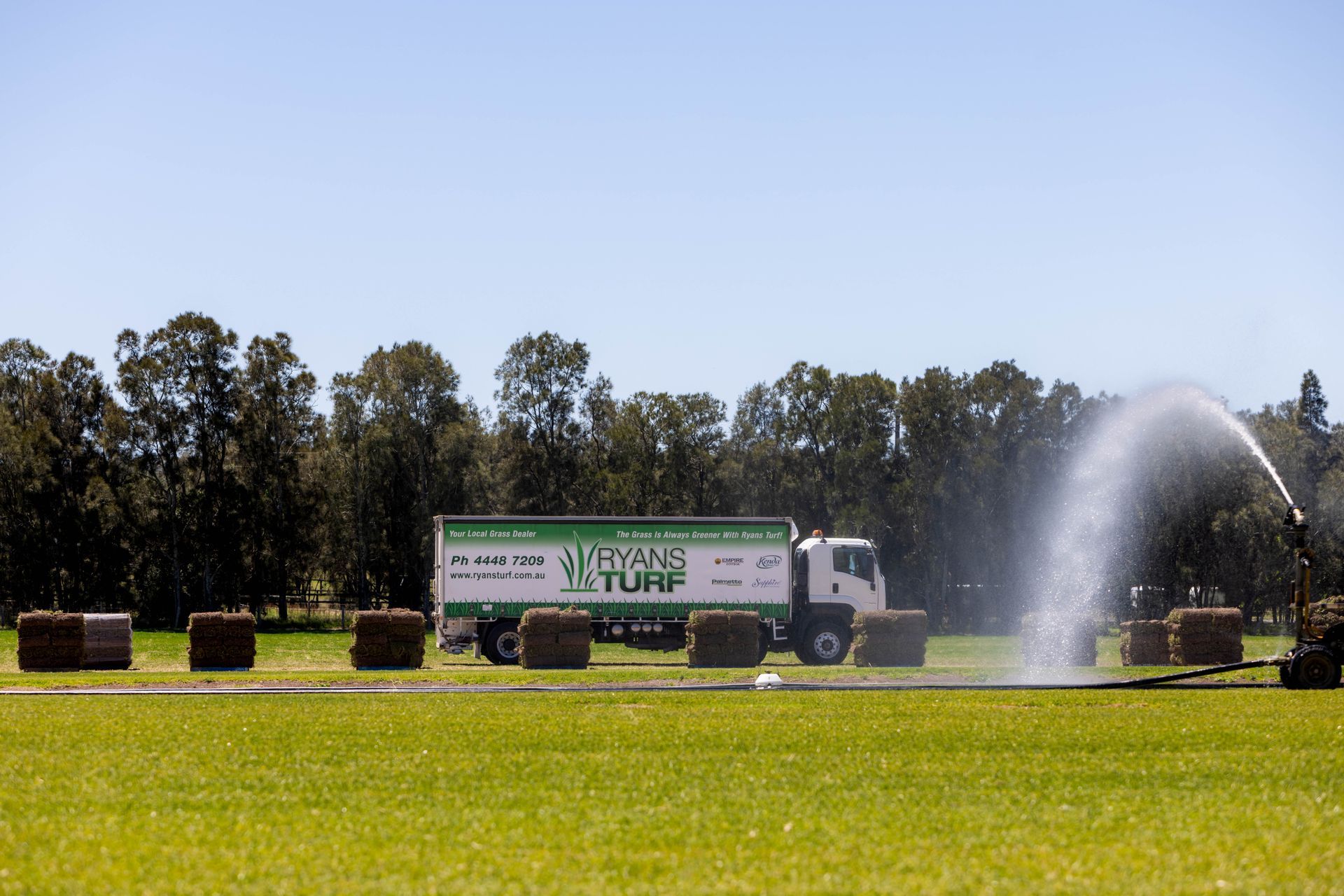
Ryans Turf can help you choose the best grass for shade by looking at your yard's sun, soil and use, then recommending a variety we grow on our own farm. We're a family owned and operated business, supplying and installing lawns since 1995, and we grow premium turf in Nowra including Palmetto, Sapphire and Sir Walter Buffalo.
Our free measure and quote lets us check shade patterns, soil, trees and access, then recommend the right grass and quantity. Give us a call on (02) 4448 7209 to book.
Frequently Asked Questions About Turf for Shade
Can any turf grow well in full shade with no direct sun?
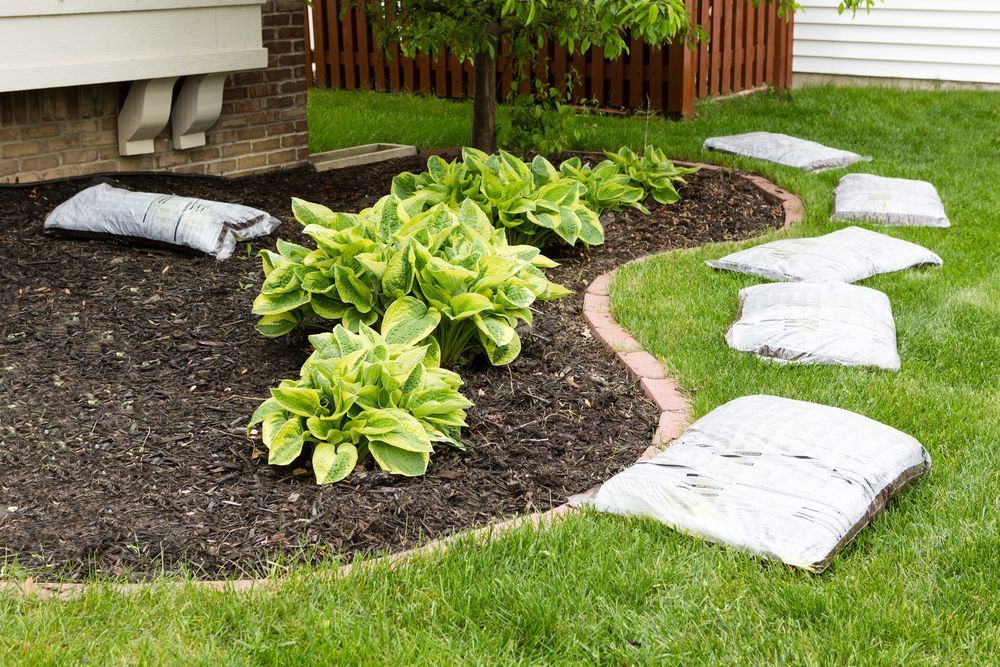
No, turf won't thrive long term without any direct sun. Even shade-tolerant buffalo varieties like Sapphire need at least a couple of hours of direct sun a day. For spots that get almost no sun, garden beds with shade-loving plants, stepping stones or mulch will usually look better than a lawn that's always patchy.
How many hours of sun do I really need for a buffalo lawn?
Palmetto buffalo needs 2 to 4 hours of sunlight a day, and Sapphire buffalo survives with as little as 2 to 3 hours of direct sun. More sun always helps, especially in winter. Check your yard at different times of year, because winter shadows from trees and buildings are much longer.
Is it okay to mix different turf types across one property?
You can use different turf types in clearly separate areas, such as kikuyu in a sunny front yard and buffalo in a shaded backyard. Mixing them in one continuous lawn isn't ideal, because the more aggressive grass usually takes over and the colours and textures won't match.
What can I do if tree roots are competing with my shade turf?
When tree roots compete with your turf, improve the soil and change how you water rather than fighting the tree. Add quality soil and organic matter when you lay the new lawn, and water deeply but less often so moisture gets down past the surface roots. Right up against a big trunk, a mulched garden bed is often the better long-term option.
How do I know if my shady lawn needs re-turfing or just better care?
If more than about half of a shady lawn has turned to weeds or bare soil, re-turfing with a shade-tolerant variety is usually the better option. If the right buffalo is there but just thin, pruning for more light, mowing higher, aerating and feeding lightly can bring it back. Call Ryans Turf on (02) 4448 7209 for a free measure and quote and an honest opinion on your lawn.